Your sidebar has four things in it. You did not plan for four.
Someone added a social feed for a campaign. Someone else added a signup form. The popular posts list came with the theme, and the chat widget went in last spring. Each one made sense on the day it went in. Together they are the slowest part of your page.
Sidebar widgets are the small blocks you drop into that column to add a feature without building it. A feed, a form, a search box, a list of recent articles. If you do not have a sidebar yet, start with how to set up a sidebar. For widget types beyond the sidebar, that guide covers thirty seven of them.
Here is the part the other guides skip. A sidebar widget is a third party script running on your page, and scripts cost something.
I have debugged enough slow pages to know the sidebar is where weight hides. Nobody audits it, because each widget looked small on its own.
This article gives you a way to choose. Not fifteen options and good luck.
What a sidebar widget actually costs your page
You did not add that widget expecting it to cost anything. Here is the bill.
One widget is rarely one script
You paste in one embed code. Your browser does not load one file.
That script calls another service, and that service calls another. According to the HTTP Archive Web Almanac, the median depth of a third party inclusion chain is three. Most third parties on a page pull in at least one more. The deepest chain they measured ran to 2,285.
Four widgets do not mean four requests. They mean four chains, and you cannot see the length of any of them from a widget settings screen. A sidebar that looked cheap when you designed it gets expensive when it loads.
Curator is the counterexample worth knowing about. An embedded feed ships as 13 lines of code and renders in JavaScript rather than an iframe, which keeps the content crawlable.
"Run the page speed test twice. Once with the sidebar, once with it hidden. The gap is the real cost, and most teams have never measured it." — Dave Ganley, Technical Director, Curator
The cost lands on the metrics Google watches
Slow is not a feeling. Google has numbers for it.
Two of them matter here. Largest Contentful Paint measures how quickly your main content appears, and Google recommends keeping it under 2.5 seconds. Interaction to Next Paint measures how fast the page reacts when someone clicks, with a target under 200 milliseconds. Google's documentation states that Core Web Vitals are used by its ranking systems.
Do not read that as a ranking lever. Google is clear that this is one signal among many, and hitting the thresholds will not move you up a page by itself. The better reason to care is simpler. A sidebar that delays your main article is a sidebar working against the page it sits on.
A link is not an embed
Before you cut anything, look at what you can downgrade.
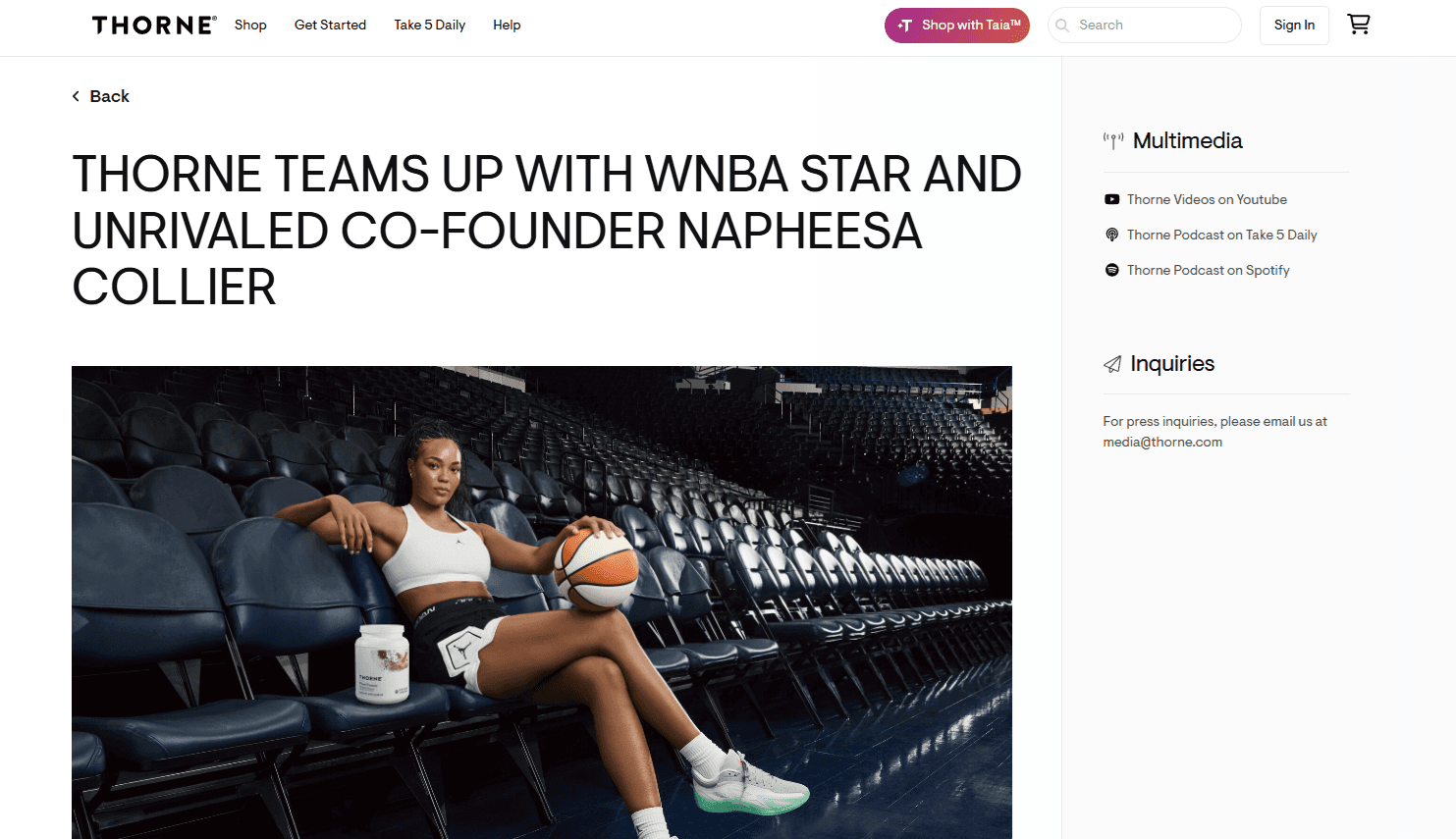
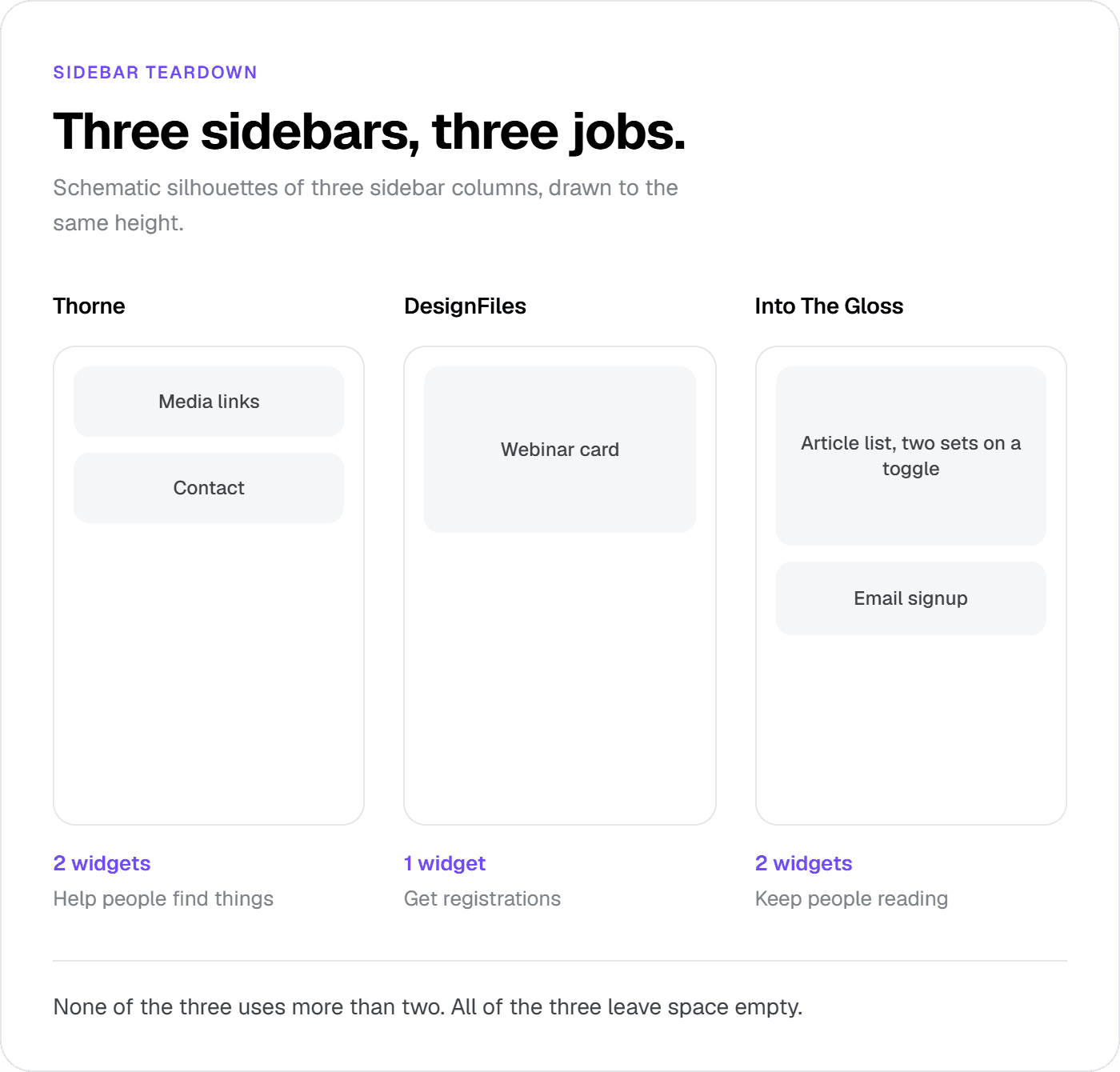
Thorne's press page has a sidebar with two short blocks. The first is headed Multimedia, and it points to their YouTube channel, their podcast, and Spotify. Every one of those is a text link. Not a single player is embedded anywhere on the page.
That is a deliberate saving. A YouTube player and a Spotify player are two of the heaviest third party scripts on the web. The readers of a press page are journalists who were heading to those platforms anyway. The link does the same job for the price of an anchor tag.
The rule you can take from it is simple. Embed when the content has to be watched or heard in place. Link when your reader is heading to that platform anyway. Thorne's second block is a plain email address rather than a contact form widget. Same decision, made twice on one page.
15 sidebar widgets, grouped by the job they do
Pick your sidebar's job first, then shop from one group.
Everything below does one of three things. Some help people find something, like search, popular posts, categories and navigation. Some capture something, like email forms, CTAs, donations and product features. Some build trust, like testimonials, social feeds, events and author bios.
Sampling one from each group is how a sidebar ends up with six widgets and no purpose. Choose the group that matches your one job, then choose within it.
One more thing before you browse. Nearly everything here is a third party embed, so the chain problem applies to each of them. Maybe your real problem is controlling where widgets appear, not which widget to use. In that case, a tool to manage widget placement will serve you better.
1. Curator's social media aggregator widget
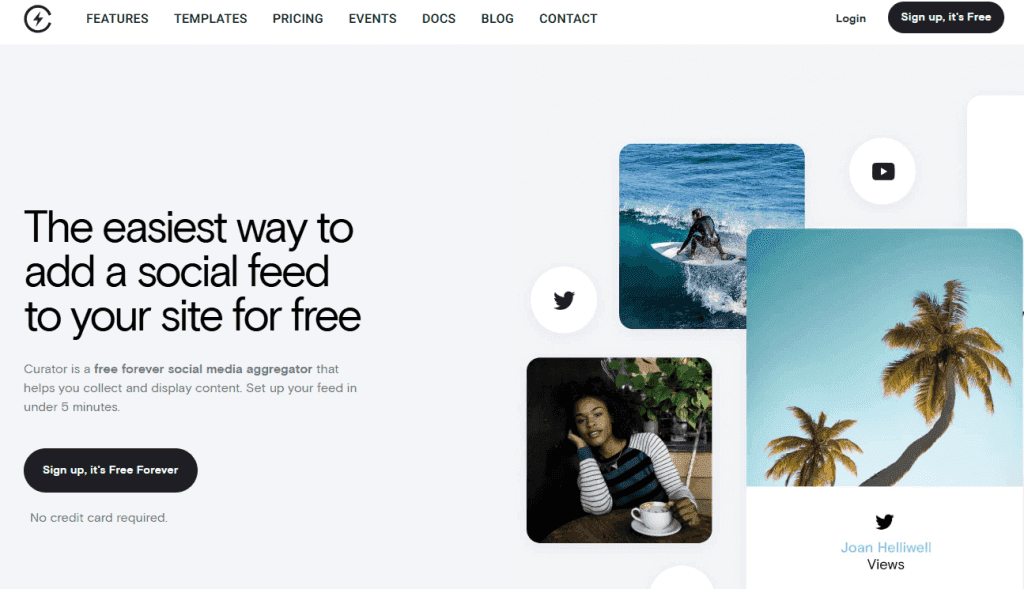
Curator.io allows you to seamlessly display live social media feeds from platforms like Instagram, Twitter, Facebook, and TikTok directly in your sidebar. This widget helps keep your website content fresh by showcasing your latest social updates or hashtag campaigns.
Why you should consider this widget:
Keeps your sidebar dynamic with real-time social media content
Increases engagement by encouraging visitors to follow and interact with your brand
Works seamlessly with any website, including WordPress widgets
Customizable layout options to match your sidebar blog design
Easy to set up with a simple embed code
Offers a free forever plan
2. Improve navigation with the SearchWP sidebar search widget

The SearchWP widget enhances your website's search functionality by offering more accurate and efficient results, helping visitors find content faster. A great option for those with a lot of content.
Why you should consider this widget:
Provides advanced search filtering for better accuracy
Makes content discovery seamless for users
Integrates effortlessly with any WordPress sidebar
Allows customization for relevance-based search results
3. Feature top articles with the WordPress Popular Posts widget
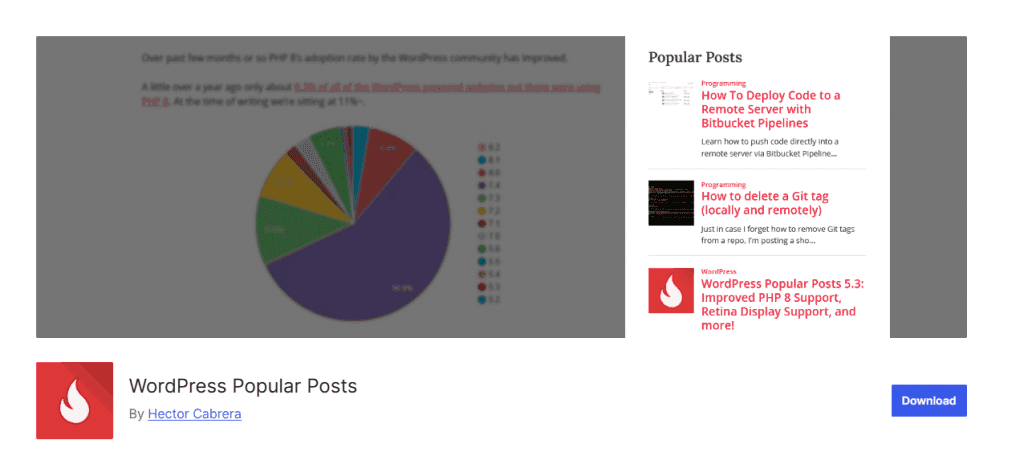
Showcase your most-read articles with the WordPress Popular Posts widget, keeping visitors engaged and encouraging them to explore your best content.
Why you should consider this widget:
Highlights trending or evergreen content to boost traffic
Customizable settings let you display posts by views, comments, or shares
Reduces bounce rate by guiding visitors to more relevant pages
Works seamlessly with sidebar widget placement strategies
Enhances engagement by directing visitors to your best content
4. Add custom content with WordPress's built-in HTML widget
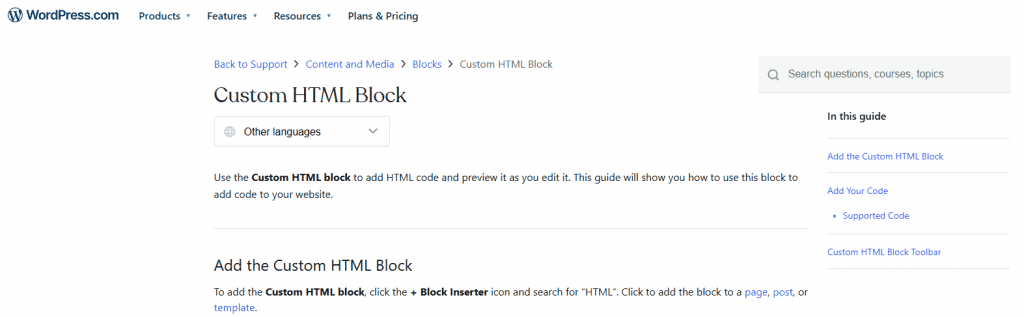
The WordPress Custom HTML widget lets you add any code, from third-party embeds to personalized call-to-action banners, making it a versatile option for sidebar customization.
Why you should consider this widget:
Ideal for embedding custom forms, social media feeds, and promotions
Supports HTML, CSS, and JavaScript for endless design possibilities
Perfect for custom sidebar widgets that require tailored functionality
5. Grow your audience with the Mailchimp newsletter signup widget

Make it easy for visitors to subscribe to your newsletter with Mailchimp's signup form widget, a must-have for blogs and businesses.
Why you should consider this widget:
Helps build and maintain an engaged email list
Customizable to fit your sidebar blog design
Works with WordPress and a whole host of other website builders
Integrates with many popular tools to support broad integrations
6. Boost conversions with a sticky call-to-action widget from Thrive Architect

Keep your CTAs visible at all times with Thrive Architect's sticky CTA widget, which remains fixed as users scroll. That way they never have to look for the action to take.
Why you should consider this widget:
Improves lead generation by keeping CTAs in focus
Works well with integrate sidebar strategies for promotions
Ideal for encouraging sign-ups, downloads, or special offers
Keeps your objectives in focus and promotes action
7. Simple Social Icons for clean follow buttons
The Simple Social Icons widget provides an easy way to display social media follow buttons, making it effortless for visitors to connect with you on multiple platforms.
Why you should consider this widget:
Increases your social media following
Matches your website's sidebar blog design with customizable colors and layouts
Supports all major social media platforms
8. Monetize your site with the Google AdSense sidebar widget

Earn passive income by placing relevant advertisements in your sidebar with Google AdSense's ad widget. Make sure to pay attention to how many ads you incorporate so your site does not become offputting to visitors.
Why you should consider this widget:
Automatically displays ads relevant to your audience
Offers a passive revenue stream for bloggers and businesses
Supports various sidebar widget placement options
Can help diversify your revenue streams
9. Showcase positive feedback with Strong Testimonials widget

The Strong Testimonials plugin allows you to display customer reviews in your sidebar, adding credibility to your brand.
Why you should consider this widget:
Increases trust with authentic user testimonials
Helps convert visitors into customers with social proof
Customizable to match your WordPress sidebar
Includes dynamic testimonial options to capture visitors attention
10. Display upcoming events with The Events Calendar widget
Keep visitors informed about upcoming events, webinars, or promotions with The Events Calendar sidebar widget.
Why you should consider this widget:
Ideal for businesses, nonprofits, and event organizers
Syncs with Google Calendar and other scheduling tools
Keeps your audience engaged with real-time updates
11. WeatherWidget.io for real time weather
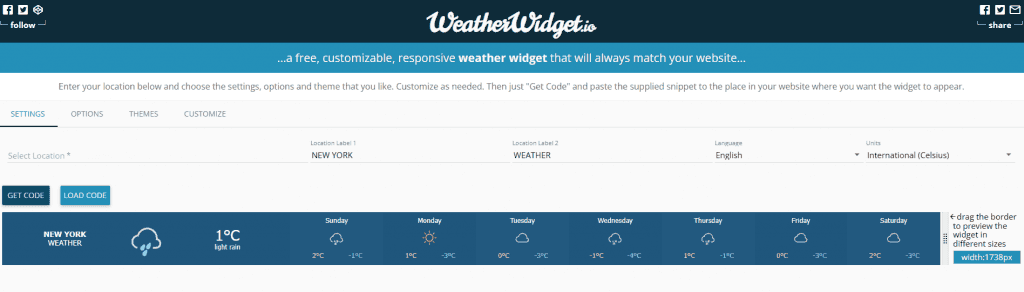
Enhance your sidebar with WeatherWidget.io, perfect for travel sites, event pages, and local businesses.
Why you should consider this widget:
Provides accurate, real-time weather forecasts
Customizable design to match your website's theme
Useful for audiences planning trips or outdoor activities
12. Improve customer support with the Tidio live chat widget

Connect with visitors instantly using the Tidio live chat widget, a must-have for e-commerce and service-based websites.
Why you should consider this widget:
Provides real-time customer support and boosts engagement
Works with AI chatbots for automated responses
Increases conversions by answering visitor questions immediately
Improves engagement by prompting visitors to ask questions
13. PayPal's donation widget for accept contributions
If you run a nonprofit or support a cause, the PayPal donation widget makes it simple for visitors to contribute.
Why you should consider this widget:
Secure and user-friendly donation processing
Supports one-time and recurring contributions
Perfect for charities, fundraisers, and community projects
Makes supporting your cause simple and convenient
14. BrainyQuote for a daily quote
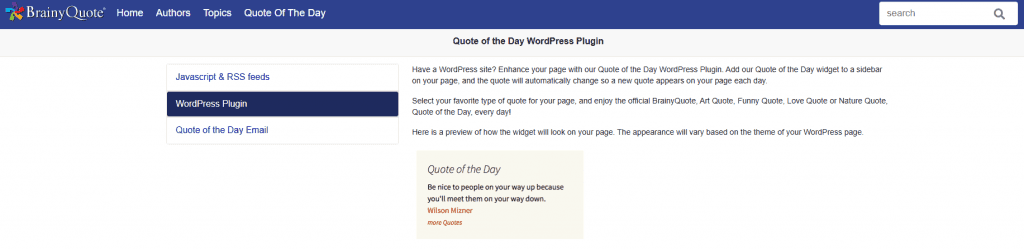
Engage your audience with a daily quote widget from BrainyQuote, offering motivational or industry-related quotes.
Why you should consider this widget:
Adds fresh content to your sidebar every day
Encourages return visits from users looking for inspiration
Great for blogs, self-improvement websites, and educational platforms
15. Feature top-selling products with WooCommerce product showcase widget
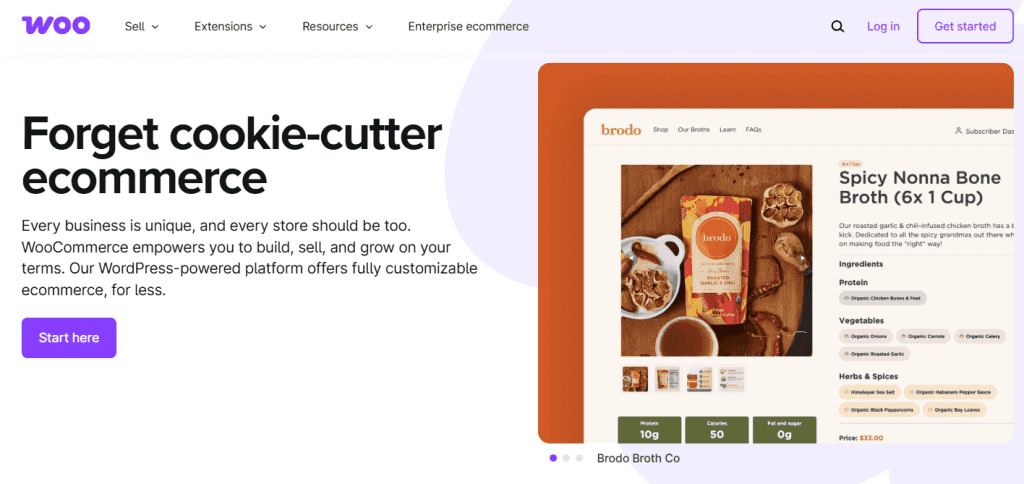
For e-commerce sites, the WooCommerce sidebar widget lets you highlight featured products, promotions, or best-sellers.
Why you should consider this widget:
Increases sales by showcasing must-have products
Fully integrates with WordPress widgets
Customizable for different product categories
How to decide which widgets earn a slot
You have just seen fifteen. You have room for three. Here is how to get from one number to the other.
Give your sidebar one job
A sidebar that grows your list, promotes your posts, shows social proof and sells your products does none of those things. Attention does not split four ways.
DesignFiles shows the other approach. Their blog sidebar carries one thing: a card promoting an upcoming webinar, with the date, the guest and a register button. No popular posts. No email form. No social feed. No ad unit.
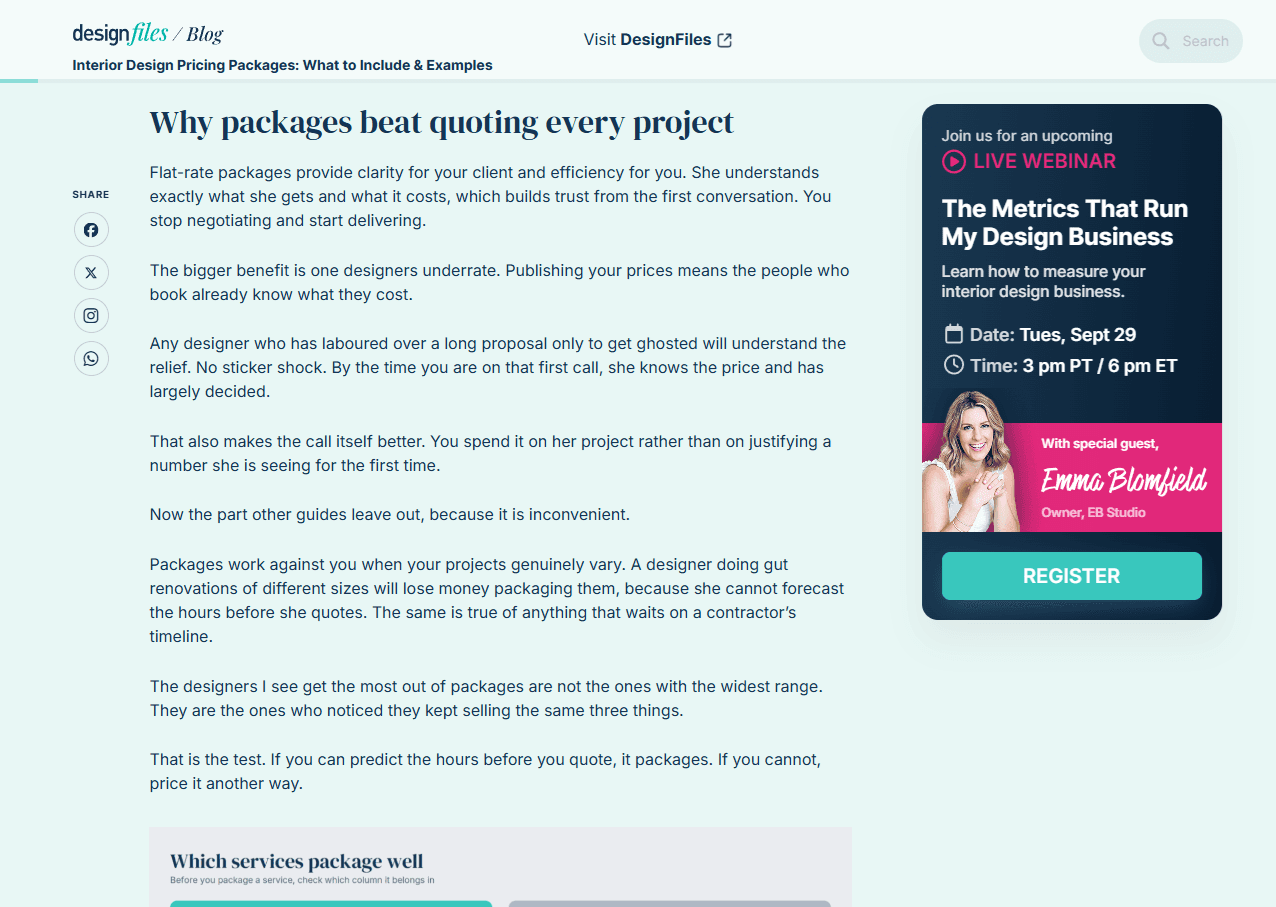
Below that card, the column is empty. They left it empty.
That is the part worth sitting with, because an empty column looks like unused inventory. It is the thing keeping the rest of the sidebar honest. Nothing can dilute the one ask if nothing else is allowed in.
One more detail you might miss. Their share buttons sit in a separate rail on the left, outside the sidebar entirely. The one job never has to compete with a second one.
Name the single outcome your sidebar exists for. Then defend the space underneath it. Once you have named it, how to design around that decision is your next read.
"The sidebars that work pick one job and protect it. The ones that do not are just a list of everything the team could not fit elsewhere." Mike Hill, CEO and Co-founder, Curator
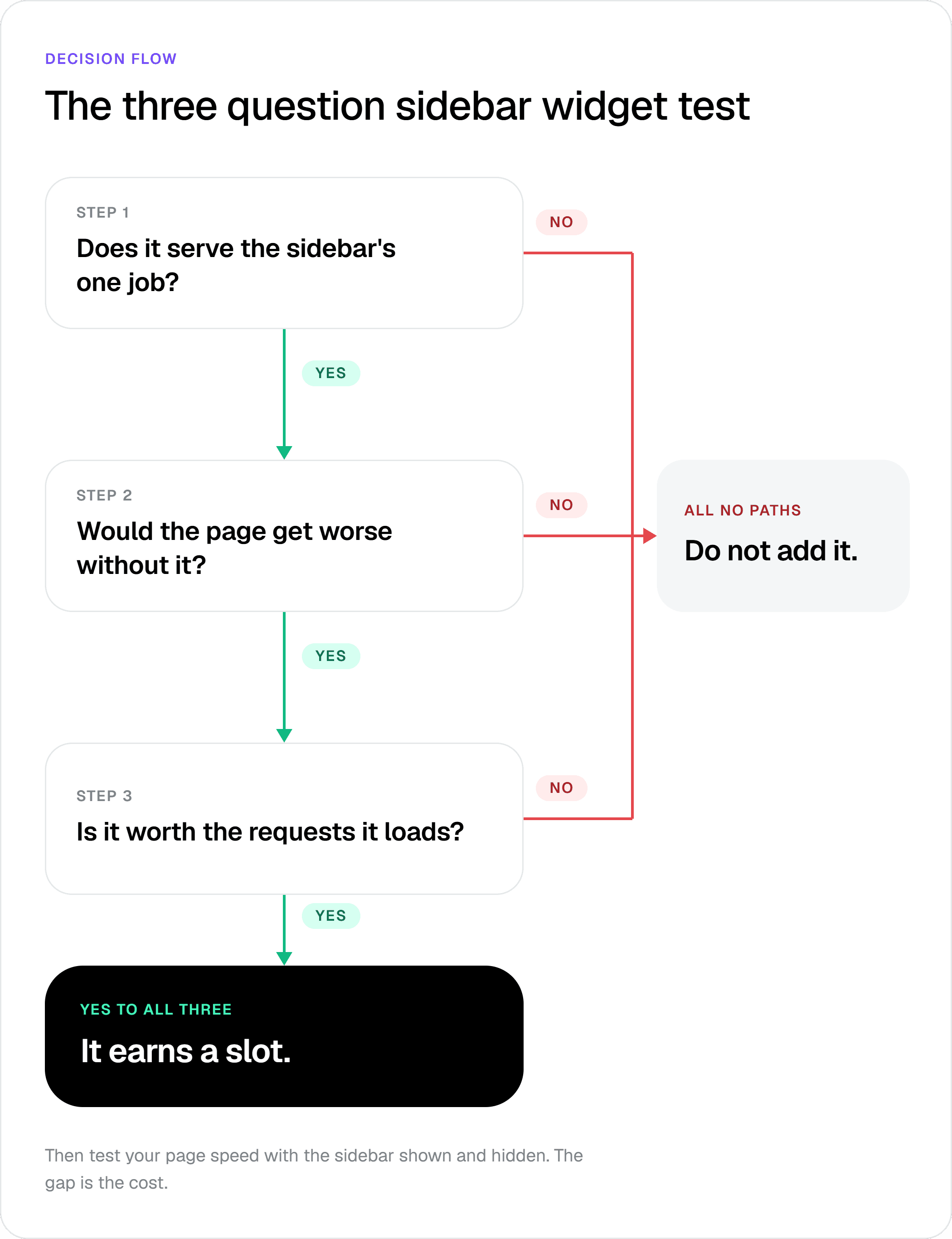
Run the three question test before you add anything
Three questions. Any widget. Under a minute.
Does it serve the one job? Would the page get worse if it vanished? Is it worth the requests it loads?
Take a weather widget, the kind that goes in without much thought. Run the questions. It does not serve an email capture job. If it vanished, nobody notices. And it pulls live data from a third party on every single page load. Three noes. A no means do not add it. It does not mean add it smaller.
I ask one question before adding anything to a sidebar. If it goes, does the page get worse?
Now the objection you are already forming: what happens when two candidates both pass?
Into The Gloss has an answer. Their sidebar has two slots. One holds an email signup. The other holds a list of articles. That list carries two different sets, Don't Miss and Most Popular, behind a toggle rather than two stacked modules. Two needs, one slot.

Look for that before you spend a second slot. A toggle, a tab or a rotation buys you room. It is not free, though. That module loads six thumbnails. Images with fixed dimensions are a much cheaper thing to add than a script that loads another script.
Check what it costs after you install it
You will probably never verify the decision you just made. So make verifying it cheap.
Run PageSpeed Insights on a page with your sidebar showing. Hide the sidebar, run it again. Compare Largest Contentful Paint across the two results. The gap is what your sidebar costs, in seconds, on a page you actually publish.
There is a thirty second version that needs no tools at all. Count the widgets in your sidebar. Now count the ones in the three examples above: two, one, and two. If your number is six, that is your finding.
Then check again whenever you add something, not once a year.
A B2B software company came to us after their blog traffic flattened despite steady publishing. Their sidebar carried six widgets. A live chat box, an ad unit and two separate social feeds were among them, all added by different people over two years. They cut to three: an email form, a popular posts list and one social feed. Their largest contentful paint went from just over four seconds to under three. Nobody missed the widgets that went.
Sidebar widget FAQs
How many widgets should a sidebar have?
Start at three and make yourself justify a fourth. The three sidebars in this article use two, one, and two. The number matters less than the test behind it. Every widget should serve the sidebar's one job, and you should notice if it disappeared. If you are sitting at six, it is worth asking who added each one and why.
Do sidebar widgets slow down your website?
Yes. Each one is a third party script, and those scripts load other scripts. Four widgets can mean far more than four requests. The cost shows up in how fast your main content appears and how quickly the page responds to a click. Run PageSpeed Insights with your sidebar showing, then again with it hidden. The gap is your answer.
Should sidebar widgets show on mobile?
Only the ones that still do their job on a small screen. On mobile your sidebar stacks below your content. A widget there sits at the bottom of a long scroll, while still loading at the top. Turn off anything that cannot earn that trade. If you want different widgets in different contexts, dynamic sidebars handle exactly that.
Is a left or right sidebar better?
Right, by a small margin, and not by enough to rebuild your theme over. Readers scan left to right, so a right sidebar meets attention after the content instead of competing with it. Either side works when it sits where readers expect a sidebar to be. What goes inside it, and what that costs to load, will matter far more than the side you picked.
Your sidebar is a budget
You have a fixed amount of attention and load time to spend on that column, and every widget draws down both. Pick the one job. Run the three questions. Measure what you added.
If a social feed is what earns the slot, Curator was built for the constraint this article describes. Feeds render in JavaScript rather than an iframe, so Google can crawl the content inside them, and the embed is 13 lines of code. Pull from Instagram, TikTok, Facebook, X, YouTube and more into a single feed, moderate what appears, and style it to match your site.
Ready to give one slot to something worth it? Try our free forever plan.
Previous post: