TikTok has grown far beyond a platform for dance challenges and trending audio—it’s become one of the most powerful user-generated content (UGC) platforms. For small businesses, brands, creators, and marketers, TikTok offers a unique opportunity to connect with audiences through authentic, relatable content that feels native to the platform.
Globally, TikTok has amassed nearly 2 billion users. And, with 49% of users citing TikTok as a primary source for finding something new, you can start to see the vast potential that exists.
In this guide, we’re diving deep into TikTok UGC—what it is, why it works, how to source it organically, and when it makes sense to invest in paid UGC. This article is packed with real-world examples, actionable methods, and strategic insights to help you win with user-generated content on TikTok.
Let’s get started with the basics.
What Is UGC on TikTok and why does it matter?
User-generated content (UGC) on TikTok refers to any video content created by real users—customers, fans, influencers, or creators—rather than by the brand itself. It can be as simple as someone filming themselves unboxing your product, sharing a tutorial, or reacting to your service, or using simple tools to create a video about their experience. What makes TikTok UGC especially powerful is how authentic and unfiltered it tends to be, aligning perfectly with the platform’s ethos of “real, not staged.”
These videos don’t feel like traditional ads. They blend into a user’s For You Page just like any other TikTok, which makes them far more engaging and trustworthy than polished brand campaigns. That’s exactly why the right UGC campaign ideas on TikTok outperforms in terms of engagement, reach, and even conversion.
Why does UGC matter?
The power of UGC cannot be understated. On TikTok, and other platforms like Instagram, UGC fuels the kind of social proof that today’s buyers crave. In short, TikTok UGC is a win-win: your audience feels seen and involved, and your brand benefits from authentic, scalable storytelling.
If that’s not enough to convince you here’s why it’s become a must-have in every brand’s social strategy:
Authenticity wins: TikTok audiences are savvy. They scroll past overly commercial content in a second. UGC provides that unfiltered realness that resonates and builds trust.
Cost-effective content engine: Encouraging customers to create content for you reduces your need for expensive video production—yet still delivers high-impact visuals. Brands that need more predictable creator-led assets can also use UGC videos to turn authentic product stories into social content that feels native to TikTok.
TikTok’s algorithm favors it: TikTok thrives on engagement. UGC, being more relatable and often more entertaining than branded content, naturally generates more likes, shares, and comments.
Boosts conversions: Studies show that 68% of users utilize TikTok for product and brand reviews. UGC is both the add and the review. It increases conversion rates because it feels like a recommendation from a peer, not a pitch from a marketer.
3 examples of TikTok UGC in action
Building a TikTok UGC portfolio takes time. Even when following UGC best practices, some things will work great, while other attempts may sink to the forgotten depths. The point is to keep trying, learning and avoiding common mistakes. In that regard, here are some UGC examples that might inspire your own ideas.
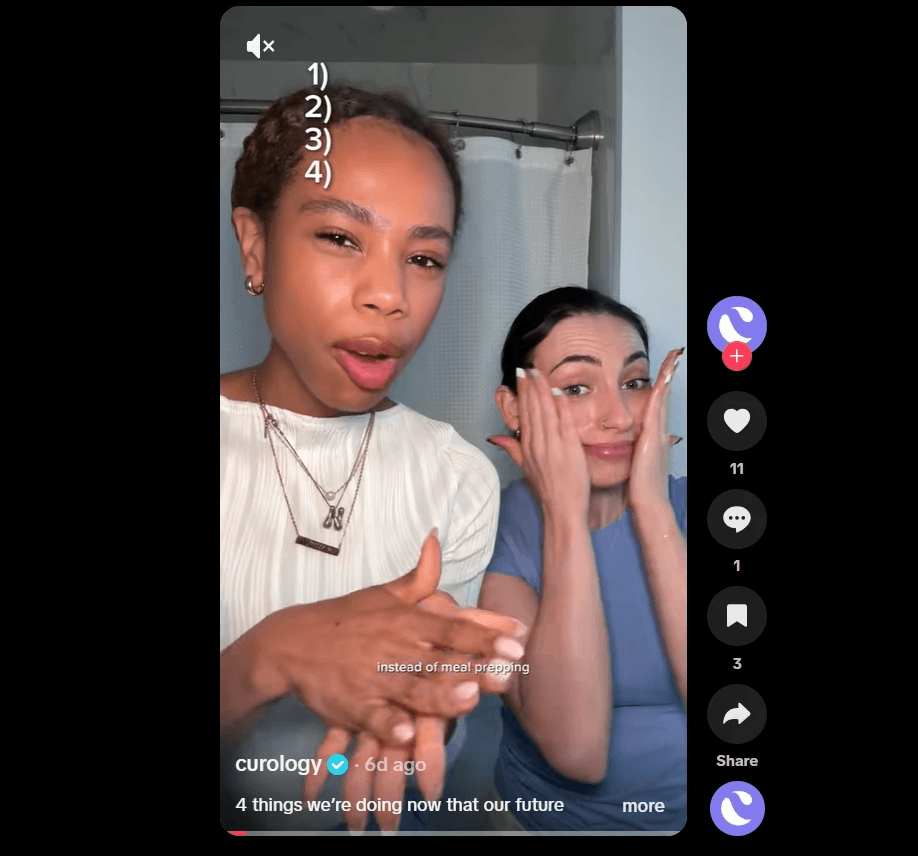
1. Skincare must haves with real product breakdowns
Source: TikTok
In this UGC-style video, Curology team members were asked to share that skincare step that they never skip. Their discussions of that step and the outcomes capture the value of their products without a hard sell. By framing the video as a personal habit and encouraging viewers to share their own, Curology successfully blends branded messaging with relatable storytelling. A great approach for e-commerce companies.
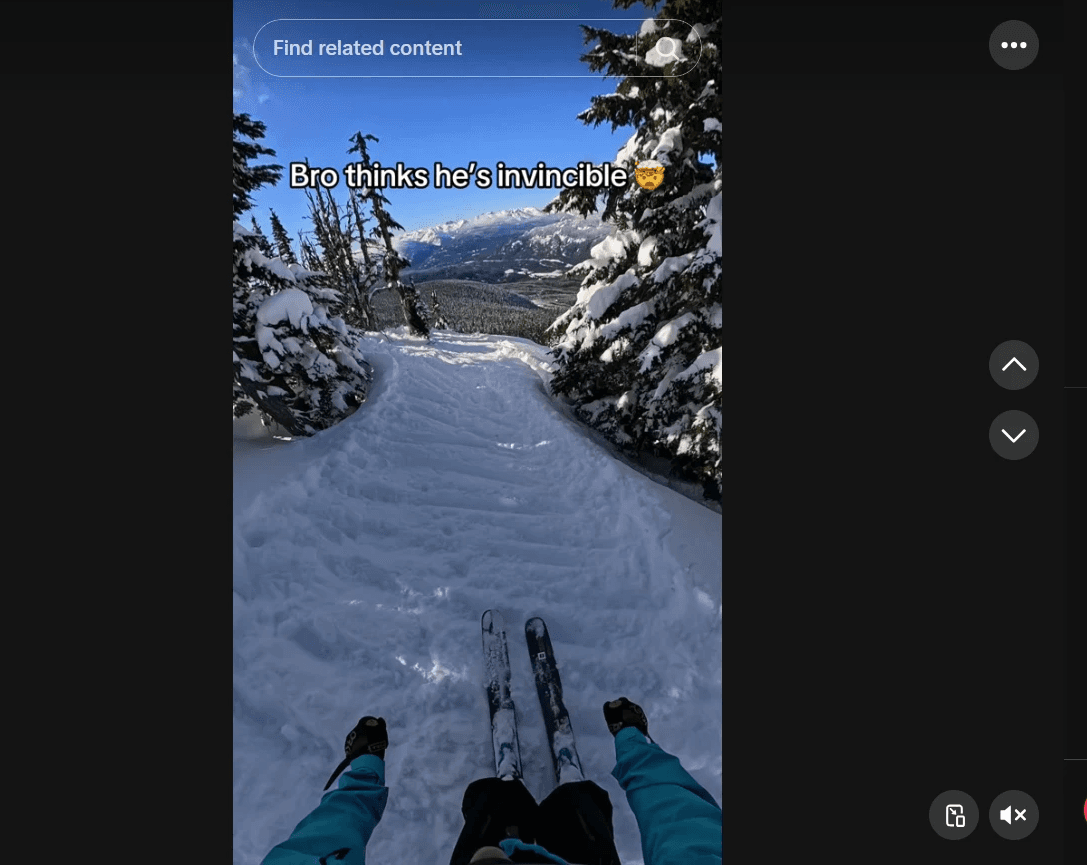
2. Epic POV contest entry shot with GoPro
Source: TikTok
In this stunning user-generated content from TikTok. Skier Lovisa Rosengren captures a jaw-dropping backcountry run as part of GoPro’s #GoProLineOfTheWinter contest. Submitted directly by the creator and awarded $5,000, the video exemplifies how GoPro taps into community-driven content to power its brand narrative.
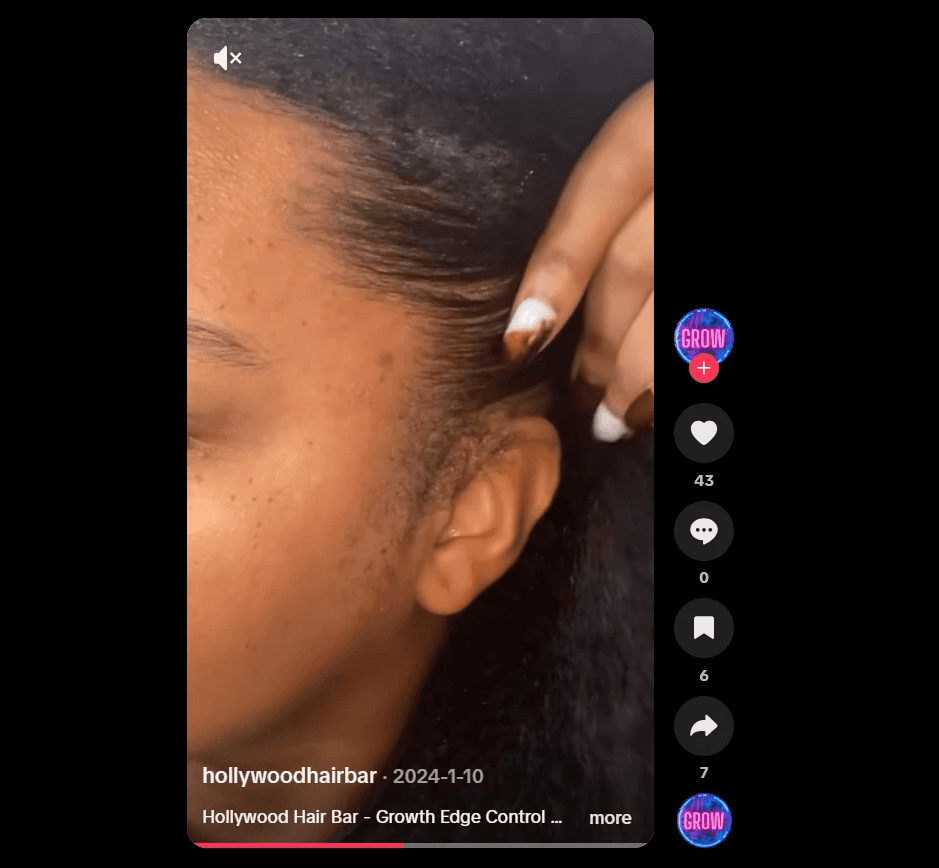
3. Customer testimonial with a personal touch
Source: TikTok
This video from Hollywood Hair Bar features a customer sharing her postpartum hair journey and how the brand’s “Magic Growth Water” helped restore her edges. The upbeat, first-person delivery feels more like a friend’s recommendation than a product pitch. With direct storytelling, on-screen captions, and niche hashtags, this testimonial-style UGC hits the sweet spot between authenticity and influence.
4. “Pack an order with me” behind-the-scenes content

Source: TikTok
A strong example of TikTok UGC comes from Classie Vu Jewelry, where the creator films the process of packing customer orders in a casual, behind-the-scenes style. The video feels natural and unscripted, blending seamlessly into TikTok feeds rather than resembling a polished ad.
As items are wrapped and prepared for shipping, viewers get a more personal look at the brand experience while still seeing the jewelry itself. This TikTok user generated content format works well for ecommerce because it combines entertainment, authenticity, and subtle promotion in one short video. It also builds social proof by showing real customer purchases and active demand.
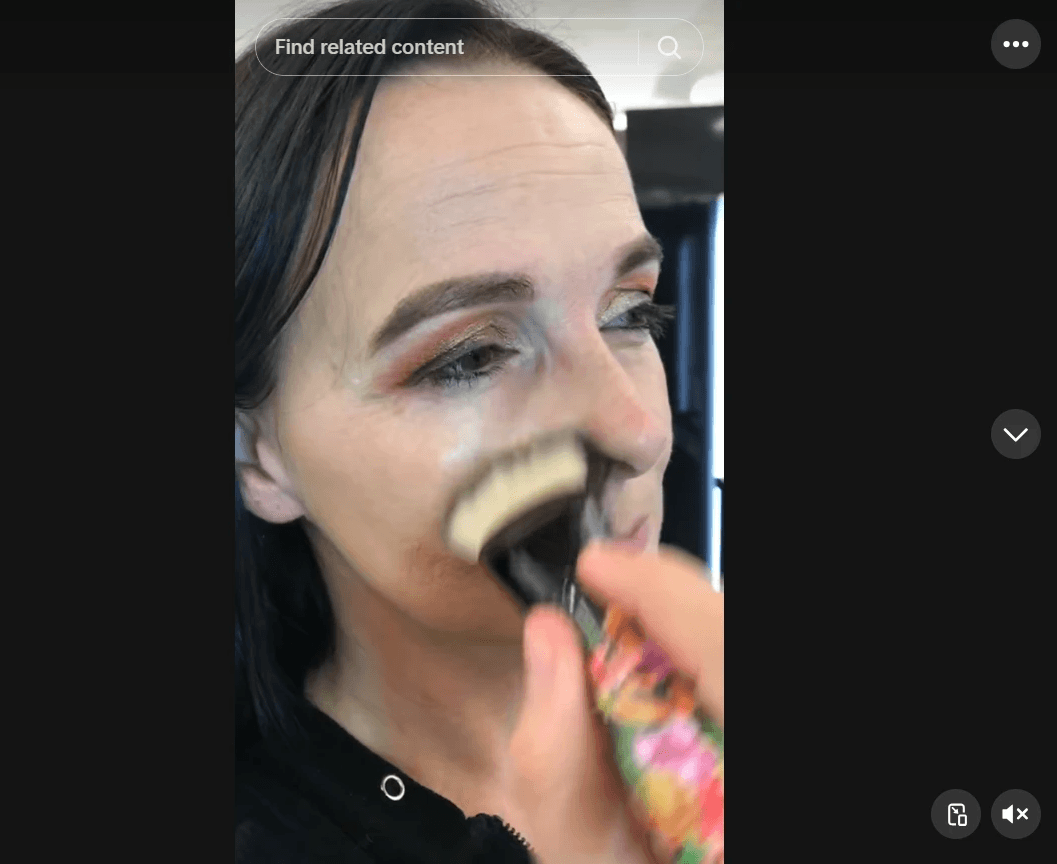
5. Before-and-after transformation videos
Source: TikTok
Transformation-style TikToks are one of the most effective TikTok UGC formats because they instantly grab attention and clearly show results. A strong example is this viral glow-up video from creator iCutyOlawnduhh, which uses a simple before-and-after structure to spark curiosity and keep viewers engaged.
The quick visual shift makes the change easy to understand without needing heavy explanation or polished production. This type of TikTok UGC performs well in beauty, fashion, fitness, and lifestyle niches because it quickly communicates value. Brands also use this approach in a TikTok UGC campaign because it feels authentic, easy to watch, and native to the platform’s short-form style.
6. Day in the life videos
Source: TikTok
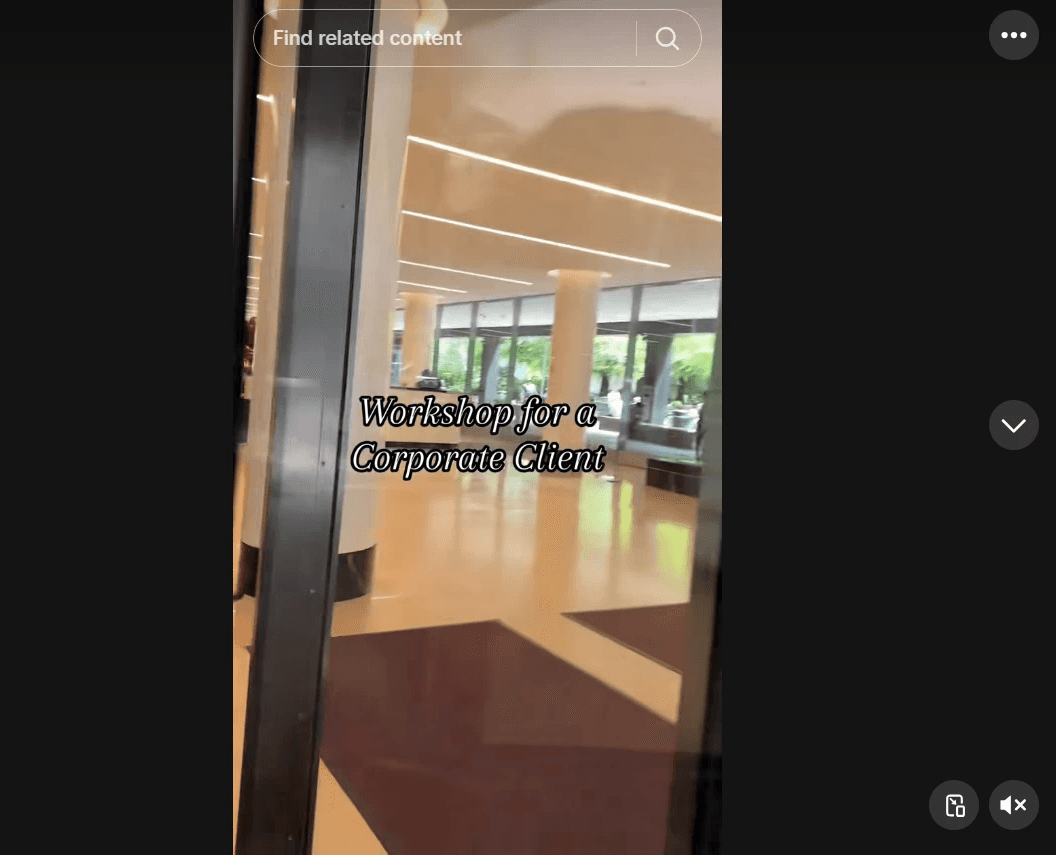
A strong example of TikTok user generated content comes from Wholehearted Coaching, where a “day in my life” format is used to naturally weave the service into everyday routines. Instead of a hard sell, the video shows real moments throughout the day, with the coaching experience appearing as part of a normal lifestyle.
This makes it feel less like an ad and more like a genuine recommendation. The TikTok UGC campaign style works because it is quick, relatable, and story-driven, helping brands build trust, boost engagement, and position their offer as a natural part of the creator’s life.
7. Quick tutorial and product demo clips
Source: TikTok
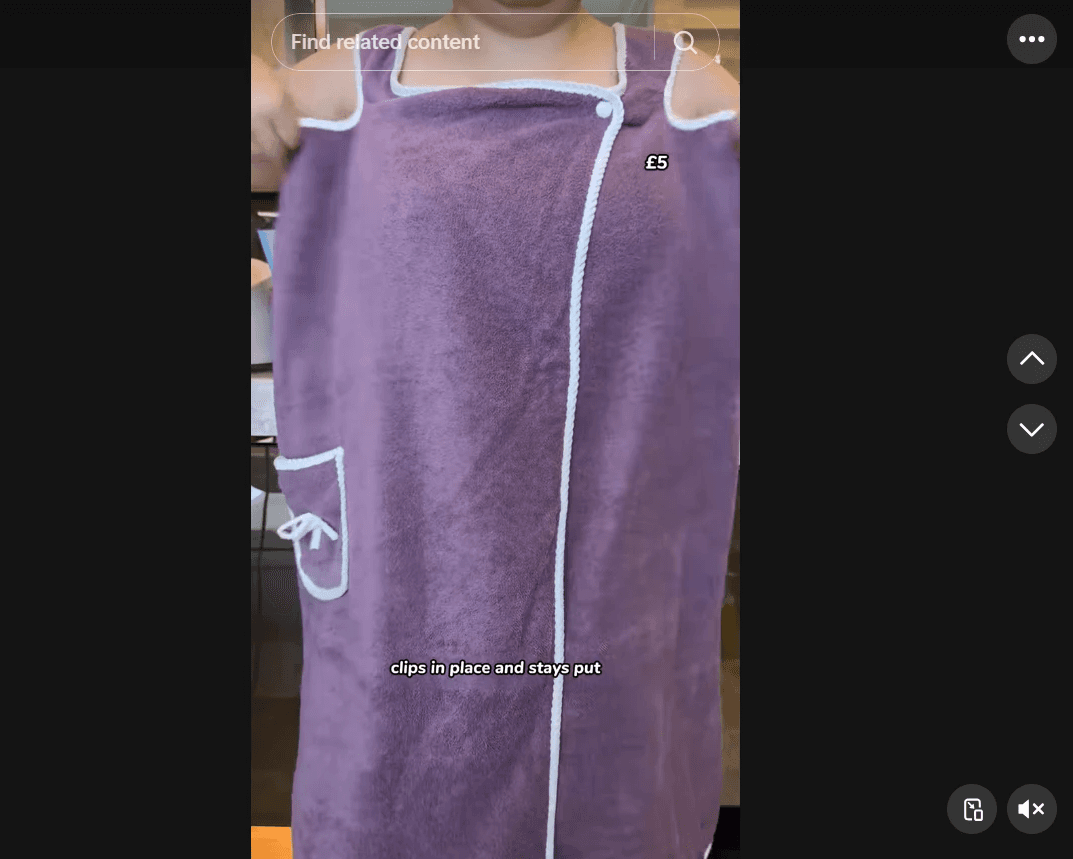
A strong TikTok UGC example in action is this tutorial-style video from Hazel Digital Life, which shows how a product or digital tool is used in a simple, step-by-step format. Instead of feeling like a traditional ad, the content focuses on quick actions, practical demonstrations, and real-life usability, which makes it easy for viewers to follow and replicate.
This approach is a core part of an effective UGC TikTok strategy because it prioritizes clarity, speed, and authenticity over polished production. Tutorial videos like this perform well because they deliver immediate value while naturally showcasing how the product fits into everyday use. For brands, this format is scalable, relatable, and highly effective for driving engagement within TikTok UGC campaigns.
8 great methods to collect UGC TikTok organically
Consider these methods for generating and collecting UGC for your business.
1. Launch a hashtag challenge
Branded hashtag challenges are a classic way to kickstart TikTok UGC. They invite users to create themed content around your product or idea, making it easy to scale participation organically through a memorable, shared tag.
Tips for a successful challenge:
Keep the concept simple and repeatable
Make sure the challenge ties to your brand
Create a few anchor videos
Use a unique and memorable hashtag
Encourage tagging and stitching
Test your challenge idea before launch
Monitor the trend in real time
2. Ask your audience directly
Sometimes, all it takes is a prompt. By asking your audience to share their experiences with your brand on TikTok—through captions, emails, or packaging—you create space for organic content to flow in naturally.
Tips for a successful ask:
Be clear and specific
Make participation easy
Show examples
Offer a soft incentive
Remind regularly
Use customer reviews as prompts
Incorporate it into post-purchase flows
Start with your superfans
3. Feature fans on your own TikTok
When people see that your brand actually features customer videos, they’re more likely to tag you. Sharing UGC through duets, stitches, or reposts can boost participation and build community credibility.
Tips for encouraging and featuring fans:
Highlight a variety of voices
Add value to the repost
Tag the original creator
Create a recurring feature format
Use duets or stitches for creative remixing
Mention that you’re featuring UGC in your bio or content
Start with what you have
Engage in the comments
4. Run a giveaway or contest
Giveaways are a simple, high-impact way to get people posting. Instead of requiring follows or likes, make the entry requirement a TikTok video using your product or branded hashtag.
How to run a successful TikTok giveaway:
Make content creation the entry method
Use a dedicated branded hashtag
Keep the rules simple and compliant
Promote it across platforms
Engage with participants throughout
Showcase the winners
5. Collaborate with micro-influencers
Micro-influencers often deliver the most relatable UGC—and they’re accessible for brands of any size. Many brands work with a micro-influencer agency to identify creators whose audiences closely match their target market. With the right product fit and a low-pressure approach, you can inspire natural, high-quality content.
The best ways to work with micro-influencers:
Focus on fit, not follower count
Look at their comment section
Start with gifting using a corporate gifting platform like Huggg.me
Offer a creative brief, not a script
Ask for usage rights up front
Build long-term relationships
6. Use TikTok’s duet and stitch features
TikTok’s built-in Duet and Stitch tools make it easy for users to engage with your content. By posting videos meant to be remixed, you actively invite others to co-create and share your brand story.
Tips for maximizing Duet and Stitch engagement:
Make your original video engaging on its own
Use a clear call-to-action
Keep the structure open-ended
Engage with the replies
Make it a series
7. Highlight TikTok trends that fit your brand
Jumping on relevant TikTok trends can increase visibility and spark user engagement. When your spin on a trend feels authentic, it encourages others to join in and tag your brand.
How to create trend-based UGC:
Move fast
Prioritize brand fit over virality
Add your unique spin
Encourage others to join in
Follow your niche creators
8. Add a UGC section to your website or app
Don’t let great TikTok UGC disappear in the scroll. Featuring it on your website with a content aggregator like Curator helps build trust and inspires others to create and tag you, knowing they might be featured.
Tips for making UGC work on your site:
Create a dedicated UGC gallery
Feature UGC on product pages
Update regularly
Use captions and context
What If you’re not getting enough organic UGC?
Even with solid strategies in place, not every brand sees an immediate wave of organic TikTok UGC. Maybe your audience is still finding its footing, or your product isn’t naturally “TikTokable.”
If that’s the case, don’t stress—paid UGC can help fill the gap while keeping your content authentic and relatable.
1. Why investing in paid UGC can be a smart move
While UGC is often associated with organic community content, paying creators to produce TikTok-style videos is increasingly common—and highly effective. Paid UGC looks and feels like the organic videos users already love, but gives you more control over messaging and visual style.
Why you might not be seeing enough organic UGC:
You’re a newer or smaller brand without an active TikTok following yet.
Your product solves a real problem but isn’t something people naturally record themselves using.
Your audience needs a little more prompting or incentive to get involved.
Why paid UGC works so well on TikTok:
It blends in: Unlike polished brand ads, TikTok-style UGC has an authentic look that aligns with the platform’s aesthetic.
It converts: UGC-style ads and posts often outperform traditional creatives in TikTok’s For You feed and paid ad placements.
You stay in control: You choose the creator, approve the messaging, and define how the content will be used—without losing the “real” vibe.
2. Using platforms like Collabstr to buy UGC
If you’re unsure where to start, UGC marketplaces make sourcing paid TikTok content easy and efficient. One of the most popular platforms for this is Collabstr, which connects brands with creators offering short-form content packages designed for TikTok and other platforms.
Collabstr’s UGC marketplace helps brands:
Browse creators by niche, content format, and pricing.
Order TikTok videos directly, without long negotiations.
Receive fast-turnaround, creator-driven content for organic or paid use.
Other UGC Platforms to Explore:
Billo – Focuses on UGC-style video reviews for TikTok and beyond.
Trend.io – Pairs brands with vetted micro-influencers.
Insense – Great for scaling UGC campaigns across TikTok and Instagram.
3. Choosing the right UGC creator for your brand
Not all creators are the right fit. When you're paying for TikTok content, it's critical to find creators who feel like a natural extension of your brand.
What to look for:
High engagement rates: Small but active audiences often drive the best results.
Aesthetic alignment: Their past content should feel like something your audience would trust.
Natural delivery: Avoid creators who sound overly scripted or salesy—look for creators who are confident and casual on camera.
Don’t skip the contract details. And remember, this is a negotiation. Be clear on:
Usage rights. Can you use the content in paid ads or just organic posts?
Test before scaling. Try a few videos before committing to a long-term partnership.
Licensing terms. Some creators offer affordable non-exclusive usage rights for broader campaigns.
4. Best practices for using paid UGC in TikTok posts & ads
Once you’ve collected paid UGC, using it effectively is the next step. TikTok content doesn’t follow the traditional ad playbook—you’ll need to integrate it in ways that feel organic and platform-native.
Where to use paid TikTok UGC:
Brand TikTok posts
Spark Ads
Website & emails
How to keep paid UGC looking and feeling authentic:
Write captions like a creator: Avoid brand-speak. Use first-person, fun, or informal tones.
Leave the edits alone: Resist the urge to over-polish the video. TikTok audiences prefer raw, real content.
Mix it up: Use a range of styles—testimonials, skits, duets, unboxings—to see what drives the best engagement.
Remember to blend organic & paid UGC
Paid UGC is a valuable tool, but it shouldn’t replace organic content entirely. Your most compelling brand story is one that feels community-driven, not campaign-driven.
The sweet spot?
Use paid content to jumpstart momentum, but continue building long-term relationships with customers and creators who share your brand authentically.
UGC best practices and legal considerations
It’s easy to get caught up in the excitement of collecting and postingUGC from TikTok—but before you hit “Share,” it’s important to make sure your content strategy is legally sound.
Just because a customer tags your brand doesn’t mean you have the right to repost their video.
The good news? Staying compliant isn’t hard if you follow a few key practices.
This is more than just legal jargon. It’s about protecting your brand’s reputation and building long-term trust with your community. For regulated campaigns, KYC software can also help verify users before higher-risk interactions. Here’s what you need to know.
1. Always get permission
This is rule #1 for a reason. If you want to reuse a TikTok video in your brand’s posts, on your website, or in ads, always ask for explicit permission. A quick DM or comment can do the trick. And it also shows respect for the creator.
2. Give credit where credit’s due
Always credit the creator in your captions or video tags. It’s ethical and it encourages more participation by showing that your brand values its community.
Avoid removing watermarks or stripping creator handles from their content. If the video helped your brand, let your audience know who made it.
3. Understand the fine print on UGC platforms
If you’re working with paid UGC through platforms, read the licensing terms carefully. Some creators only provide content for organic use. Others charge extra for paid ad usage or exclusivity.
Clarify up front:
Can the content be used in paid ads?
Is it exclusive to your brand, or can the creator license it to others?
What’s the time limit on usage rights?
4. Don’t apply misleading edits
TikTok audiences expect transparency. Avoid making edits that could misrepresent a creator’s experience—like over-enhancing results, trimming context, or changing the audio tone to push a message they didn’t intend.
5. Protect yourself—establish a UGC policy
If you regularly collect and publish user-generated content, create a UGC Terms & Conditions page on your website. This helps set clear expectations and gives users an easy way to understand how their content might be used.
You can link to this policy from your bio, video captions, or branded hashtag promotions.
Frequently asked questions
How do you promote to TikTok followers for free?
To promote to TikTok followers for free, post consistently, use trending sounds, engage in comments, stitch or duet relevant content, and focus on strong hooks in the first three seconds. Encourage sharing and create relatable, value-driven TikTok UGC-style videos.
What makes TikTok UGC different from traditional ads?
TikTok UGC feels more natural because it’s created in a casual, creator-led style rather than polished brand ads. It focuses on real experiences, reactions, and everyday product use. This makes it more relatable and often more effective in a TikTok UGC campaign than traditional ads.
How do I get permission to use TikTok UGC in my marketing?
Before reposting a customer's TikTok video on your website, social media channels, email campaigns, or paid ads, you should always obtain permission from the creator. A simple direct message or comment asking for consent is often enough for organic reposts, but brands should secure clear written approval for broader marketing use. If you're working with paid creators, make sure usage rights, licensing terms, and advertising permissions are outlined in your agreement. Taking the time to secure permission helps protect your brand, respects creators, and builds stronger relationships with your community.
Want to incorporate UGC posts on your website? Try our free forever feed.
Previous post: