Instagram has evolved. Perfectly staged brand photos? Out.
Authentic, scroll-stopping user-generated content (UGC)? In.
If your brand isn’t leveraging UGC on Instagram, you’re leaving engagement, trust, and conversions on the table. Consumers don’t want to hear from brands—they want to see real people using real products in real life.
But let’s be honest—getting people to organically post about your brand isn’t always easy. That’s why we’re breaking down how to source UGC on Instagram the right way—whether through organic engagement, creative campaigns, or tapping into influencer-generated content using platforms like Collabstr.
Ready to turn your audience into content creators? Let’s dive in.
What is UGC on Instagram and why does it matter?
Instagram has transformed how brands connect with their audience, and user-generated content (UGC) has become a key driver of engagement and trust. Instead of relying solely on polished ads, brands now feature real customers, influencers, and fans who organically showcase their products. This shift toward authentic content helps businesses build stronger relationships with their audience and create a more engaging brand experience.
Why UGC is important
UGC is a proven marketing strategy that directly influences consumer behavior. Today’s buyers crave authenticity, and traditional brand content often feels too scripted. Instead, people trust content from others who have already experienced a product or service.
Authenticity drives decisions – A staggering 88% of consumers say authenticity is crucial when choosing which brands to support.
Customers trust real experiences – 90% of consumers prefer seeing content from actual customers before making a purchase, as it provides genuine insight into the product.
Higher engagement rates – 81% of destination marketers report increased engagement through UGC, proving that real-life experiences resonate more than staged content.
Instagram is a shopping hub – 61% of Instagram users actively browse Instagram to discover their next purchase, making UGC a powerful tool for conversion.
8 real-world examples of Instagram UGC in action
Let's learn from some of the best big and small brands to see how they're driving and using UGC.
For more posts to learn from, browse these UGC Instagram examples from real customers and fans.
1. Damsel in Defense – UGC product review in action

Source: Instagram
Damsel in Defense, a brand specializing in personal safety products, benefits from UGC by featuring real people demonstrating their tools. In one Instagram post, an influencer shared a video review of the brand’s rechargeable stun device, explaining its features in an engaging, informal way. Instead of a corporate sales pitch, this content felt personal and relatable, reinforcing the product’s practicality and appeal. UGC like this allows potential customers to see products being used in real-life scenarios, increasing trust and credibility.
2. Mooncat – UGC-driven nail art inspiration

Source: Instagram
Beauty brands thrive on UGC, and Mooncat is no exception. A nail art enthusiast shared an Instagram post showing a close-up of her nails, painted with Mooncat’s signature magnetic polish. The stunning, high-quality image showcased the product in action, giving potential buyers a clear view of how it looks when applied. This type of UGC acts as a visual testimonial, proving the product’s effectiveness in a way that traditional advertising cannot. The post’s popularity was further amplified by user comments and engagement, reinforcing the power of peer-driven marketing.
3. Nike x Travis Scott – streetwear culture through UGC

Source: Instagram
Nike consistently benefits from UGC by tapping into sneaker culture and community-driven content. A sneaker enthusiast posted a bold lifestyle shot featuring the Travis Scott Jordan 1s, capturing the streetwear aesthetic that Nike’s audience resonates with. The carefully composed image highlighted not just the sneakers but also the cultural significance of owning a limited-edition product. UGC like this builds excitement and exclusivity around Nike’s releases, reinforcing the brand’s status in the sneaker world.
4. BoxyCharm – UGC Beauty Review

Source: Instagram
Subscription box brands like BoxyCharm leverage UGC to showcase the transformation their products can create. In one Instagram post, a beauty influencer shared an exceptional makeup look from the contents of the boxycharm products, demonstrating how the brand’s cosmetics performed. This style of UGC is highly effective in the beauty industry, where potential customers want to see real results before making a purchase.
5. Wayfair – home decor UGC that tells a story

Source: Instagram
Wayfair, an e-commerce giant in the home decor space, benefits from UGC that highlights real customers’ interior design transformations. One Instagram user posted a video reveal of her newly decorated living room, featuring a stylish Wayfair sectional. The video captured her excitement and showcased the product in a realistic, lived-in environment, making it far more relatable than a typical stock image or product listing. Posts like these inspire future buyers by giving them a firsthand look at the product in use.
6. Apple – the viral shot on iPhone campaign
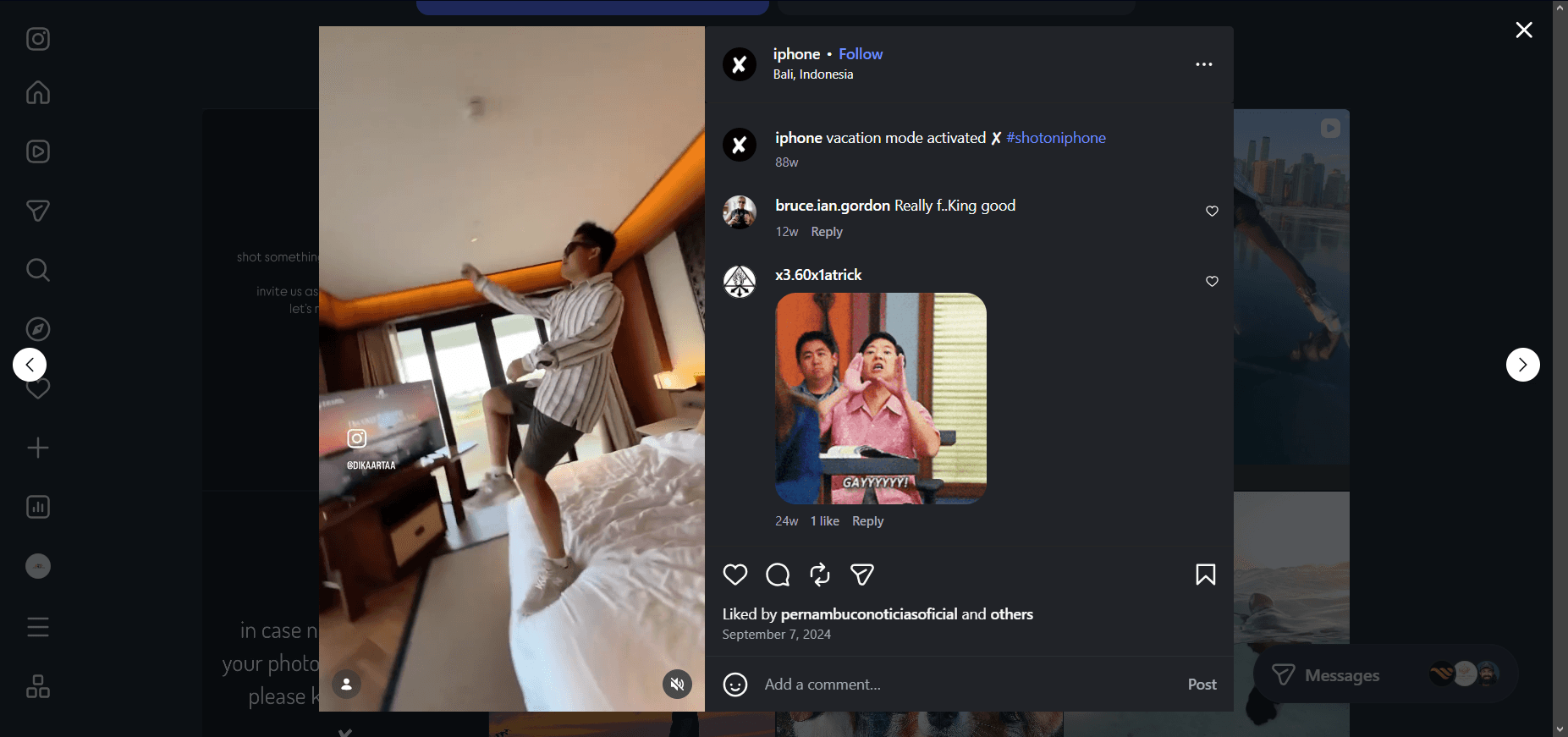
Source: Instagram
Apple’s “Shot on iPhone” campaign is one of the most iconic UGC strategies. Users submit photos and videos taken on their devices, and Apple features the best ones on Instagram and outdoor billboards. It turns everyday users into brand storytellers while proving camera quality through real-world usage. This approach also builds social proof at scale, as real content consistently demonstrates performance better than traditional ads, reinforcing trust and product credibility across global audiences.
7. Stanley – the "hydration check" tumbler cult

Source: Instagram
Stanley's viral moment came not from ads but from everyday users — nurses, gym-goers, and road-trip takers — posting their oversized tumblers in every life context imaginable. The brand leaned into this by featuring customer content on its own page, turning a humble water bottle into a personality statement. UGC drove the brand's resurgence with a younger demographic almost entirely through organic posts, particularly after a viral video of a Stanley cup surviving a car fire. The lesson: when your product earns a lifestyle identity, customers do the marketing for you.
8. GoPro – capturing real life adventures
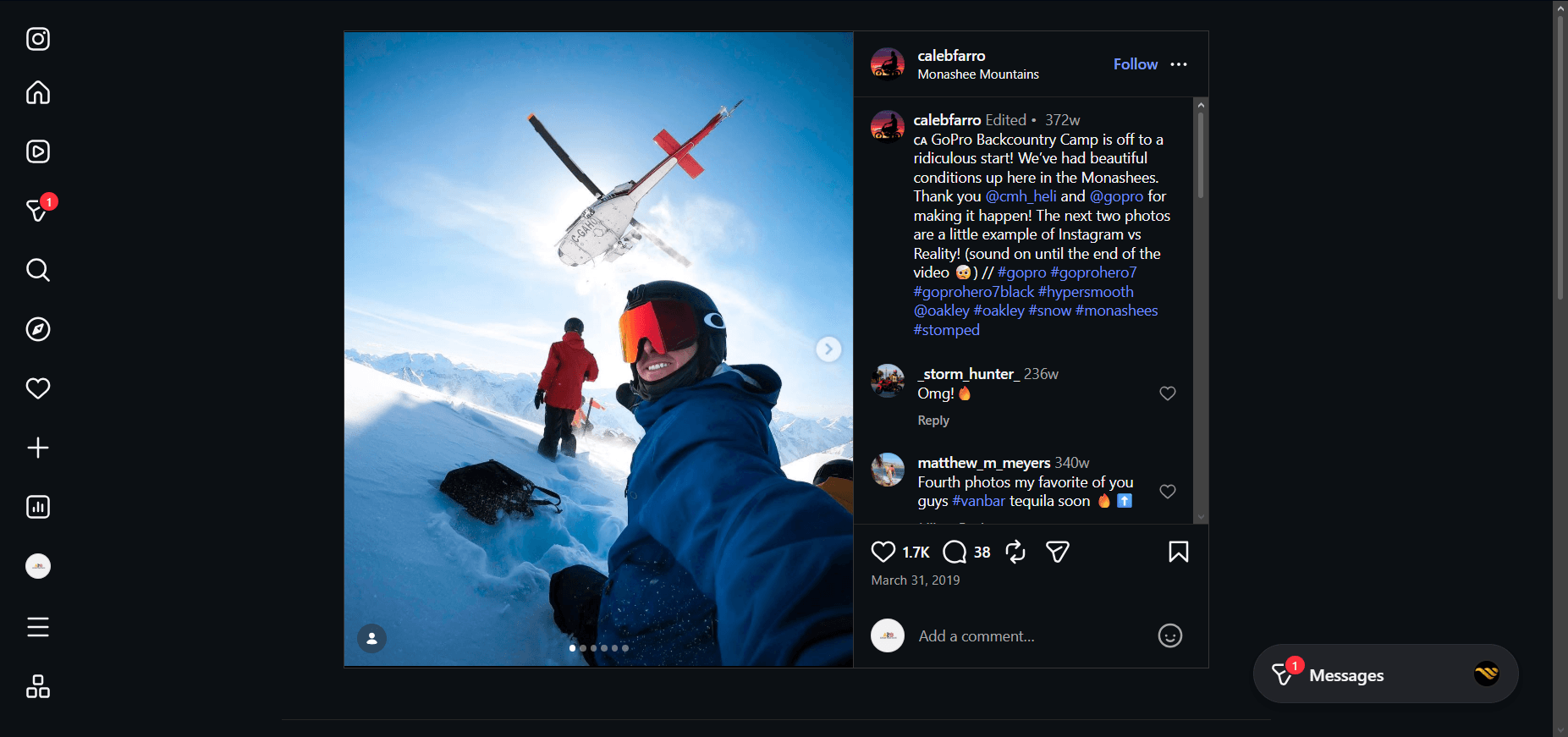
Source: Instagram
Content from GoPro users stands out among Instagram UGC examples because it focuses on raw, high-energy moments captured directly by users. This instagram ugc campaign features footage from surfers, cyclists, and explorers sharing real experiences filmed on GoPro devices.
One Instagram post shows a first-person mountain biking descent, highlighting both the thrill and clarity of the footage. It’s a strong example of user generated content Instagram brands rely on to build authenticity, inspire adventure, and demonstrate product durability in real-world, unpredictable environments.
How to build a strong Instagram UGC strategy
A strong instagram UGC strategy doesn’t happen by accident. It’s built through consistent engagement, clear direction, and community participation. The goal isn’t just to collect content, but to create an environment where customers naturally want to share their experiences.
Still, not every brand gets enough organic traction right away. Smaller audiences, less visual products, or limited brand awareness can slow down momentum. That’s why the best UGC Instagram strategies combine organic community-building with creator-led content when needed.
1. Make sharing easy and visible
The easiest way to increase UGC is also the simplest: ask for it consistently.
Many customers enjoy a product but never think to post about it unless prompted. Clear calls to action help remove that friction.
Add “Tag @yourbrand to get featured” to captions, packaging, and emails
Create a branded hashtag that’s easy to remember
Mention your hashtag regularly in Instagram Stories and your bio
Consistency matters more than complexity. Repeated exposure helps customers remember to participate when they finally use your product.
Small incentives can also help boost participation. Story reposts, giveaways, discount codes, or feature opportunities often motivate users without making the process feel forced.
Aerie’s #AerieREAL campaign is a strong example of this approach. By encouraging unedited customer photos, the brand built an instagram UGC campaign centered around authenticity and body positivity rather than polished advertising.

Source: Instagram
2. Build engagement loops that encourage more content
People are more likely to create content when they feel acknowledged.
That’s why engagement plays a major role in any successful instagram UGC strategy. Customers who receive replies, reposts, or recognition are far more likely to post again.
Reply to comments and DMs regularly
Repost tagged customer content to Stories and Reels
Save customer content in Highlights for long-term visibility
This creates a cycle where customers post, get recognized, and become even more motivated to contribute again. If you run a separate account to repost customer content for a specific market, like a UK-only profile, logging in through UK proxies keeps the account's location consistent so Instagram doesn't flag the activity as suspicious.
Interactive features also help generate content naturally. Polls, question stickers, and “show us how you use this” prompts reduce pressure and encourage spontaneous participation.
Starbucks uses this strategy effectively by reposting customer drink photos and café moments. Their content often transforms everyday purchases into shareable experiences, helping fuel consistent UGC Instagram engagement.

Source: Instagram
3. Use challenges and contests to spark participation
Sometimes audiences need more structure before they participate. Challenges and contests create momentum quickly because they give people a specific reason to post.
Effective campaigns usually include:
A simple participation process
A branded hashtag
A clear reward or incentive
A theme tied to your niche
Fitness brands may run transformation challenges, while beauty brands might encourage makeup recreations or styling videos.
Apple’s #ShotOniPhone challenge is one of the strongest examples of an instagram UGC campaign done well. By inviting users to submit photos taken on their iPhones, Apple turned customers into creators while showcasing camera quality through real-world experiences.
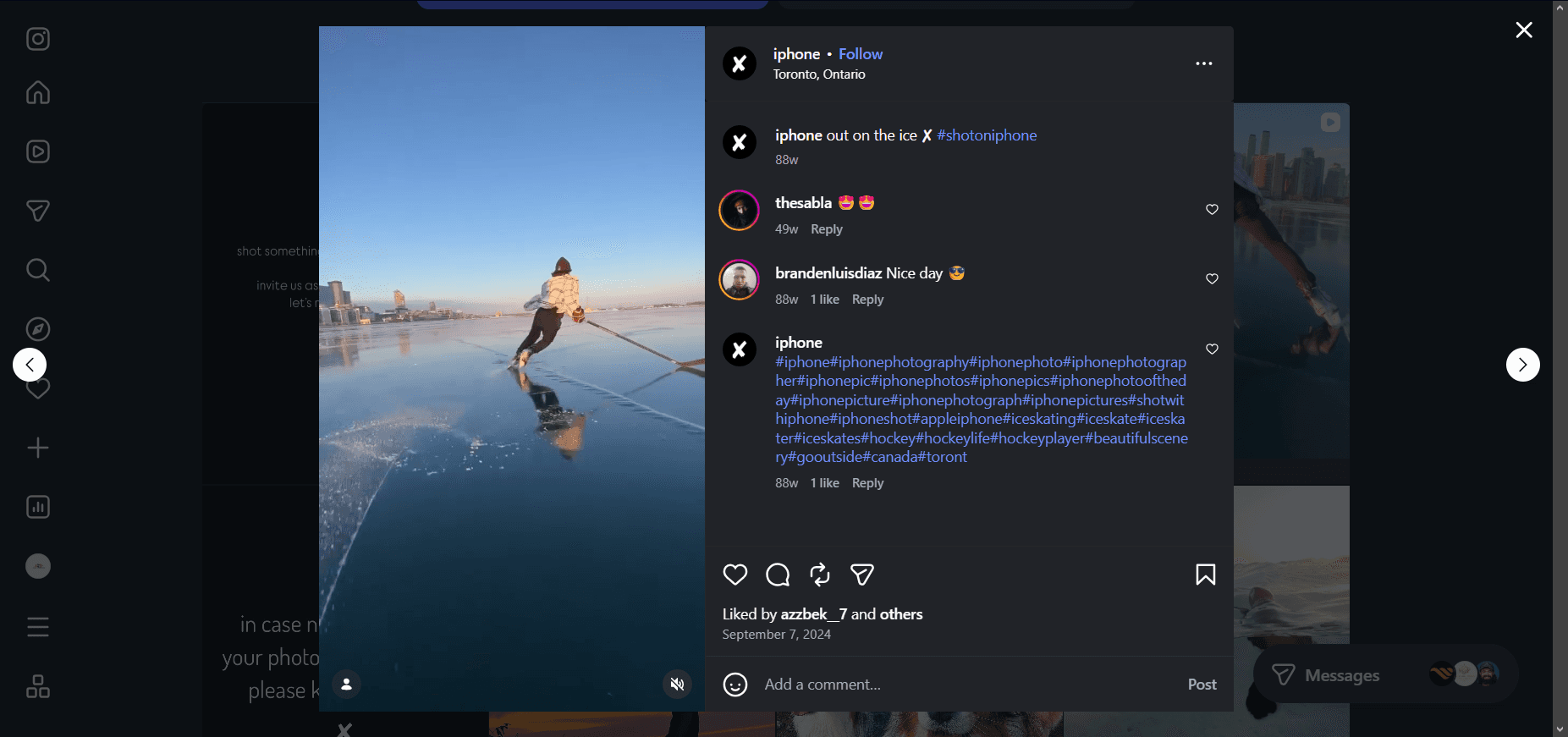
Source: Instagram
4. Use Instagram’s native features to collect UGC
Instagram already includes tools designed to support content sharing. Brands that actively use them make UGC collection much easier.
Use Stories to request and repost customer content, then display the best UGC Instagram Stories on your website
Create UGC Highlights to showcase community posts
Use Collab posts for shared visibility
Encourage Remix responses for interactive content
These features reduce the effort required from both brands and users.
GoPro is a strong example of this strategy. Their feed regularly features user-shot adventure footage, which reinforces the brand’s identity while encouraging more customers to share similar experiences. This creates a self-sustaining UGC Instagram content loop where community content continuously inspires new participation.

Source: Instagram
5. Build relationships with loyal customers and creators
The most reliable UGC often comes from repeat contributors, not random customers.
Identify people who already engage with your brand consistently and invest in those relationships.
Offer ambassador perks or early product access
Engage with loyal customers regularly
Work with micro-creators who have highly engaged audiences
This creates a more stable content pipeline while maintaining authenticity.
Lululemon’s ambassador network is a strong example. Instead of relying only on occasional customer posts, the brand partners with athletes and instructors who consistently create lifestyle-focused content aligned with its identity.
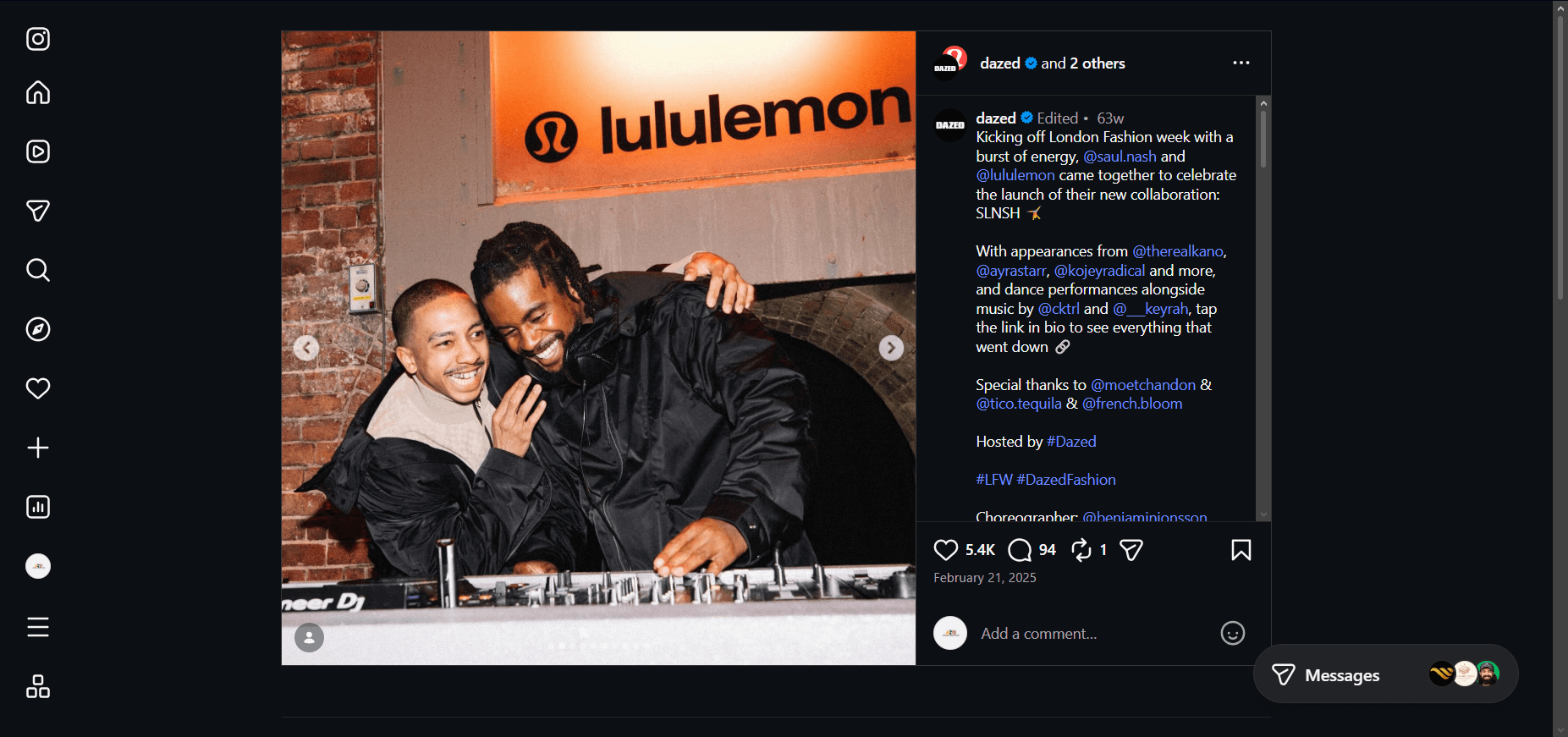
Source: Instagram
6. What if organic UGC isn’t enough?
Even strong strategies can hit a plateau. Some products simply aren’t naturally shareable, and newer brands may not yet have a large enough audience to generate consistent content organically.
That’s where paid creator content becomes useful. Paid UGC works because it keeps the authentic style of customer content while giving brands more control over output and consistency. It can help brands quickly build a content library for Reels, Stories, ads, and feed posts.
Platforms like Collabstr, Billo, Trend.io, and Insense connect brands with creators who specialize in producing natural-looking content.
When choosing creators, prioritize:
High engagement over large follower counts
Natural alignment with your brand aesthetic
Content that feels conversational rather than scripted
It’s also important to clarify usage rights before production begins, especially if the content will be used in paid advertising. Many brands start with a few test videos before scaling creator partnerships into a larger instagram UGC campaign.
Legal considerations and UGC best practices
One final note. I know it's at the end and you don’t want to hear about it, but it’s really very important.
Before you start reposting every customer photo you love, pause—there are a few legal must-knows when it comes to UGC. Here’s how to stay on the right side of the law while keeping your content strategy smooth and drama-free.
1. Get permission, always
Just because someone tagged your brand doesn’t mean you own the content. A quick DM asking for permission can save you from potential legal headaches. Bonus: It also builds goodwill with your customers!
Pro Tip: Platforms like TINT and Pixlee help automate UGC rights management, making it easy to request and track permissions.
2. Give credit where its due
Never crop out watermarks, remove creator tags, or repost without attribution—that’s a fast track to a bad brand reputation. If someone took the time to create UGC, give them credit in the caption or tag them in the image.
Need to organize UGC? Tools like Curator.io help brands collect and display Instagram UGC while ensuring proper attribution.
3. Read the fine print on UGC platforms
Hiring UGC creators through platforms like Collabstr, Billo, or Trend.io? Check the usage rights—some creators sell the content, but not the license to use it in ads. Always confirm whether you have organic-only rights or can use the content for paid marketing as well.
4. Avoid misleading edits
We get it—you want your UGC to look great. But over-editing or misrepresenting someone’s content (like Photoshopping results in a skincare testimonial) could be considered deceptive advertising. Keep it real, and you won’t have to worry.
5. Protect yourself with a UGC policy
Make your life easier by creating a UGC Terms & Conditions page on your website. This way, you can direct users to clear guidelines about how their content may be used.
Bottom Line? If you wouldn’t want a brand using your content without asking, don’t do it to someone else. Play fair, ask nicely, and use the right tools to keep your UGC legally solid.
Want to incorporate UGC posts on your website? Try our free forever feed.
Previous post: